If you want a San Francisco neighborhood that feels connected without feeling oversized, Glen Park is worth a closer look. For many buyers, the challenge is finding a place that offers real transit convenience, everyday essentials, and access to open space without giving up the character that makes city living appealing. Glen Park checks many of those boxes, but it also comes with tradeoffs you should understand before you make a move. Let’s dive in.
What Glen Park Feels Like
Glen Park has a distinct identity within San Francisco. According to the city's Glen Park community plan, the neighborhood centers on a small village-like commercial area around Diamond and Chenery Streets, where you will find locally oriented shops, restaurants, a library, and other daily services.
That compact core gives Glen Park a more intimate feel than larger neighborhood business districts. The area is known for its human scale, walkable streets, and established residential fabric, all shaped by the neighborhood's valley setting and steep topography.
If you are hoping for a polished, master-planned environment with large new developments, Glen Park is probably not that. The same city plan notes that little future growth is expected, and new development is intended to respect the neighborhood's existing scale and historic pattern.
Why Buyers Look at Glen Park
For many buyers, Glen Park stands out because it brings together three things that can be hard to find in one place: transit access, outdoor space, and a neighborhood-centered feel. It tends to appeal to people who want a practical day-to-day lifestyle, not just a mailing address.
The neighborhood is especially compelling if your routine includes commuting across San Francisco or down the Peninsula. It can also work well if you value being able to run errands locally and get outside without needing to leave the city.
Transit Is a Major Strength
Glen Park is one of San Francisco's stronger transit-connected neighborhoods. BART's Glen Park Station, located at 2901 Diamond Street near Diamond and Bosworth, is served by four BART lines and also connects with Muni.
The city's planning documents report that more than 9,000 riders use Glen Park BART daily, and about 75% arrive by walking or public transit. The area also offers direct access to I-280, which adds another layer of convenience if you regularly travel to other parts of the Bay Area.
That combination is a real advantage if you want flexibility. You can have a neighborhood feel while still staying connected to downtown San Francisco, the Peninsula, and beyond.
Outdoor Access Is Built In
One of Glen Park's biggest lifestyle advantages is Glen Canyon Park. San Francisco Recreation and Parks describes it as a 60-acre wilderness area with a recreation center, athletic field, baseball diamond, playground, tennis courts, picnic areas, and trails.
The park includes 3.7 miles of trails, plus the 1.2-mile Creek to Peaks trail. It is also home to Islais Creek, one of the city's few remaining free-flowing creeks, which gives the park a very different feel from a typical urban green space.
If you like the idea of being able to take a walk, get some exercise, or enjoy an outdoor break close to home, this is one of Glen Park's clearest selling points. The park offers a genuine sense of escape while still being part of the city.
What to Know About Homes in Glen Park
Glen Park's housing stock reflects its history. The city notes that the neighborhood developed as a streetcar suburb, was largely built out by the mid-20th century, and later absorbed major transportation infrastructure, including BART and I-280.
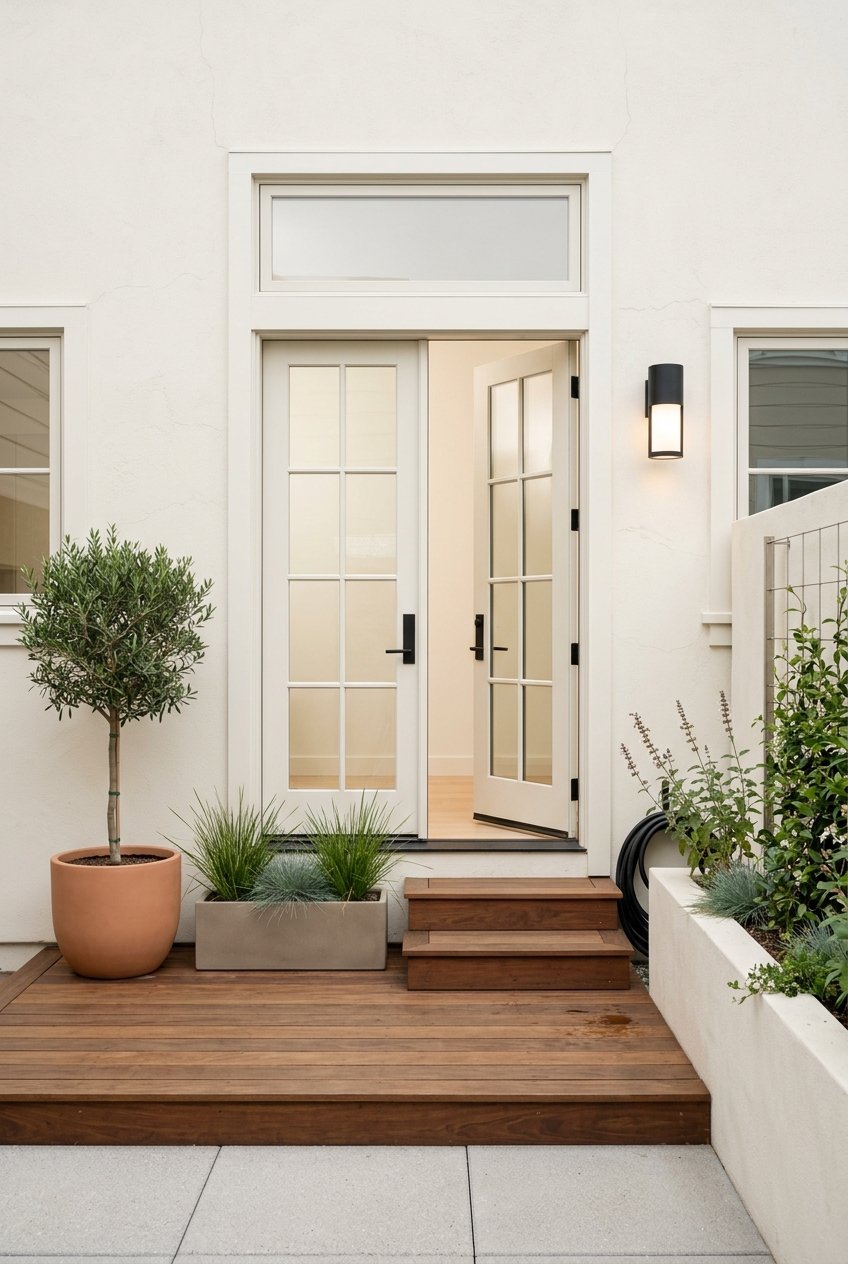
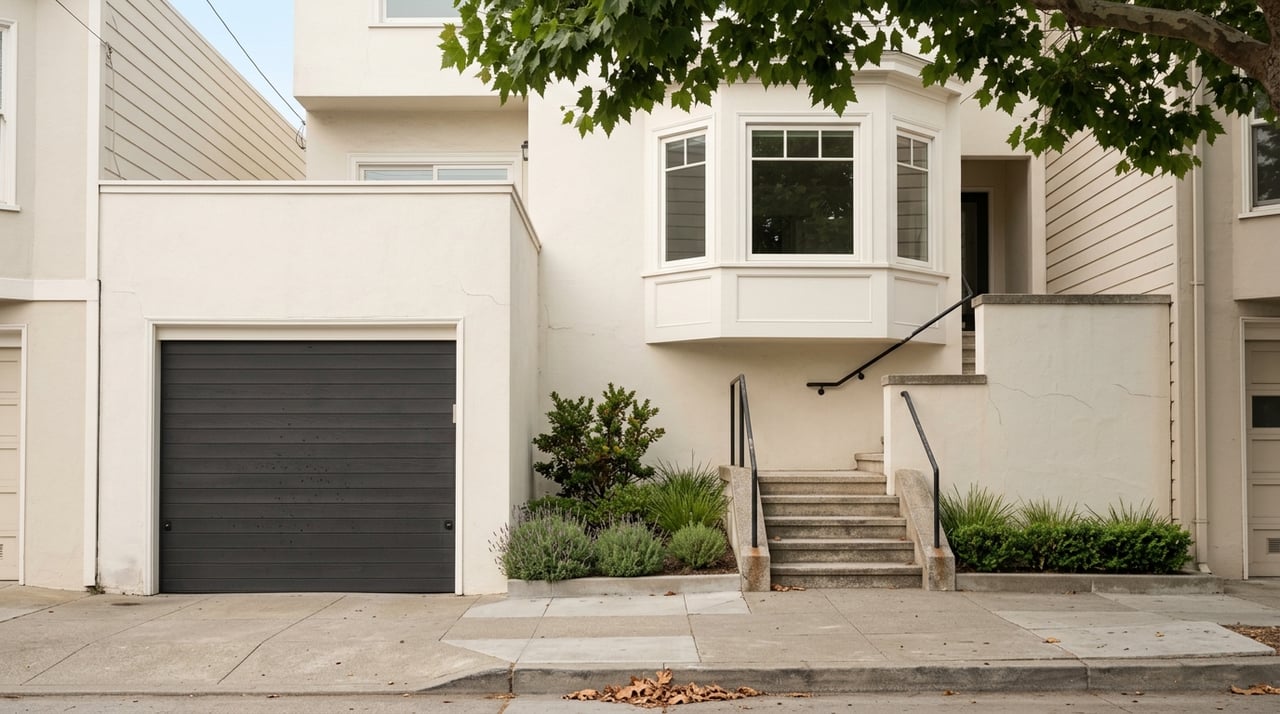
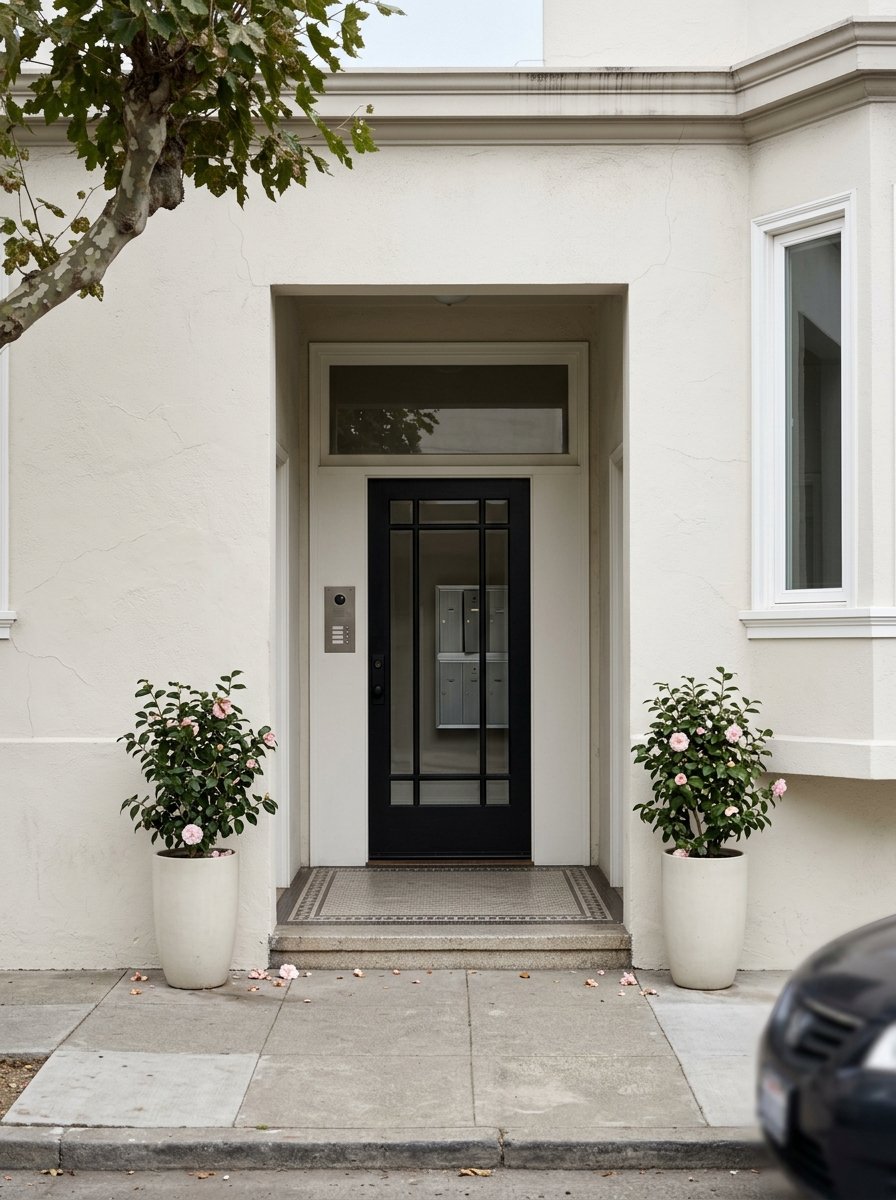
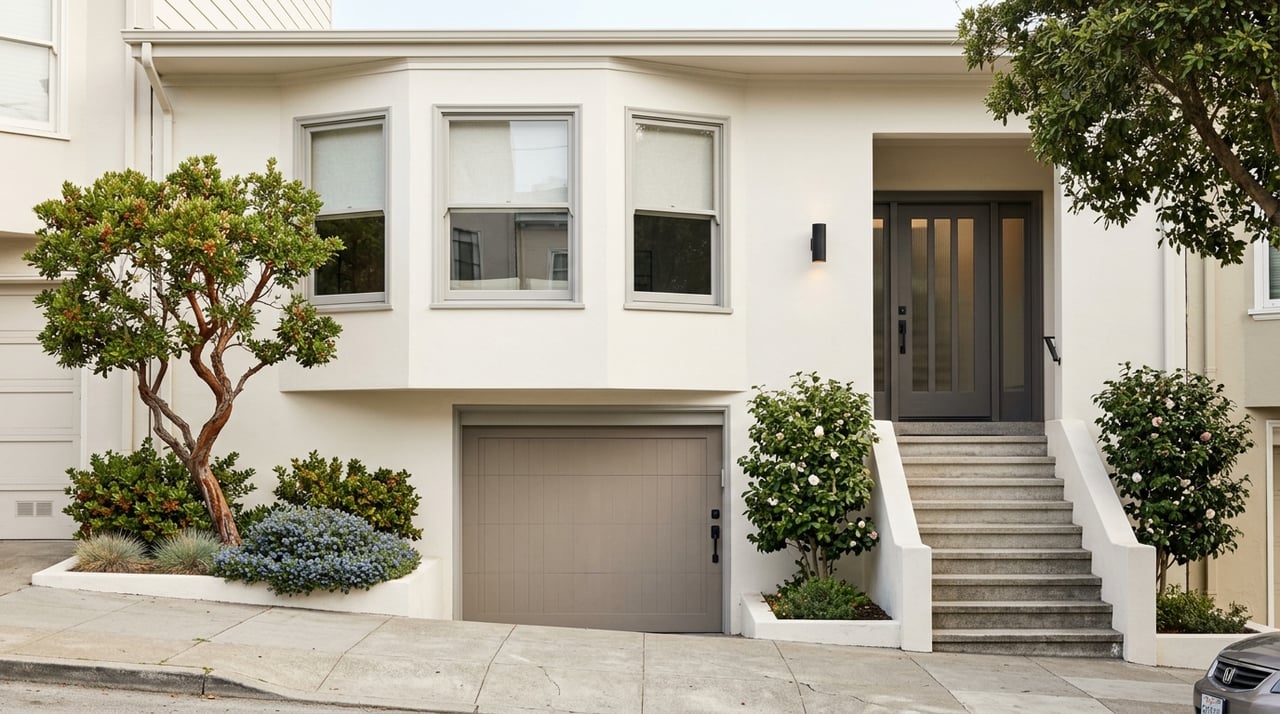
In practical terms, that means you should expect an established neighborhood with a mix of older homes rather than uniform new construction. Glen Park often feels layered and patchworked, which is part of its appeal for buyers who prefer character and variety over a more standardized housing environment.
Pricing Can Vary Widely
Glen Park is not an entry-level market by most standards, and current pricing shows a competitive environment. Redfin's March 2026 Glen Park market snapshot reported a median sale price of $1,843,000, median days on market of 34, and that 66.7% of homes sold above list price.
Other market trackers show a somewhat different center point. Zillow's Glen Park home value index was $1,785,483 as of March 31, 2026, while other reporting has shown a lower median sale price. These differences usually reflect different methodologies, so they are best viewed as snapshots rather than direct one-to-one comparisons.
Recent sales also show that the price range can be broad. Redfin reported examples including a one-bedroom condo that sold for $750,000, a two-bedroom home that sold for $1.3 million, and a four-bedroom home that sold for $3.755 million in April 2026.
For you as a buyer, that means Glen Park may offer more than one price point, but expectations should stay grounded. Size, condition, and exact location can make a significant difference in what a home costs here.
Competition Is Real
Redfin gives Glen Park a Compete Score of 86 and classifies the neighborhood as very competitive. If you are planning to buy here, that usually means preparation matters.
You will want to understand your budget clearly, move quickly when the right property appears, and be realistic about what your must-haves look like at current price levels. In a neighborhood like Glen Park, strong strategy often matters just as much as interest.
Tradeoffs to Consider
No neighborhood is perfect for every buyer, and Glen Park is no exception. Its strengths are clear, but so are some of the tradeoffs.
The city's General Plan points to congestion, parking pressure, and pedestrian-safety concerns, especially near the downtown core and on narrower streets. That is partly the result of the neighborhood's strong transit access and freeway connections.
So while Glen Park is convenient, it does not function like a quiet suburban district built around wide roads and abundant parking. If you are comparing neighborhoods, this is an important point to weigh honestly.
Who Glen Park May Suit Best
Glen Park tends to be a strong fit if you want a neighborhood that supports everyday life in a practical way. Based on the area's transit, amenities, and layout, it may be especially appealing if you are looking for:
- Easy access to BART and I-280
- A smaller commercial core with daily conveniences
- Immediate access to trails and recreation at Glen Canyon Park
- An established neighborhood with older housing stock and local character
- A more village-like feel within San Francisco
On the other hand, Glen Park may be less aligned with what you want if you are prioritizing:
- Large amounts of new construction
- A broad, suburban-style street layout
- A low-traffic environment
- A neighborhood defined by major redevelopment
So, Is Glen Park Right for Your Next Move?
If you want a neighborhood with strong transit connections, a compact commercial center, and one of the city's standout outdoor amenities, Glen Park deserves serious consideration. It offers an established San Francisco feel that is hard to replicate, especially if you value character, convenience, and access to nature in one place.
At the same time, your decision should account for the realities of competition, pricing, traffic, and the neighborhood's older housing stock. The right move comes down to how well Glen Park fits your daily routine, priorities, and long-term plans.
If you are weighing Glen Park against other San Francisco neighborhoods, working with someone who understands micro-market differences can help you move with more clarity and confidence. If you are considering a purchase or sale in Glen Park, Shane Nugent offers hands-on guidance, local market insight, and a thoughtful, data-driven approach tailored to your goals.
FAQs
Is Glen Park in San Francisco good for commuting?
- Yes. Glen Park offers strong commuting access through Glen Park BART Station, which is served by four BART lines, along with Muni connections and direct access to I-280.
What is Glen Park in San Francisco known for?
- Glen Park is known for its village-like commercial core around Diamond and Chenery Streets, its established residential character, and its access to Glen Canyon Park.
What types of homes are common in Glen Park, San Francisco?
- Glen Park is generally made up of older, established housing stock rather than large new developments, reflecting its history as a streetcar suburb that was largely built out by the mid-20th century.
How competitive is the Glen Park real estate market?
- According to Redfin's Glen Park housing market data, Glen Park is considered very competitive, with a Compete Score of 86 and 66.7% of homes selling above list price in March 2026.
Does Glen Park, San Francisco have good outdoor space?
- Yes. Glen Canyon Park provides 60 acres of open space, including trails, recreation facilities, picnic areas, and natural features like Islais Creek.