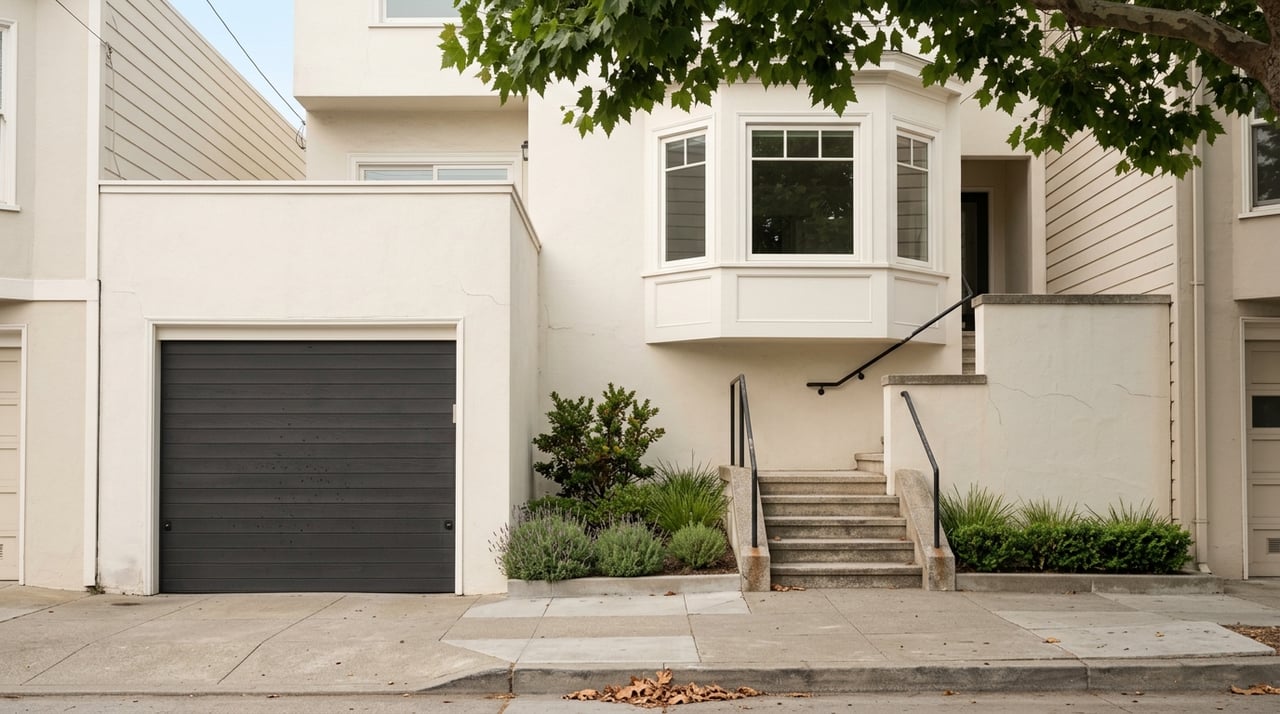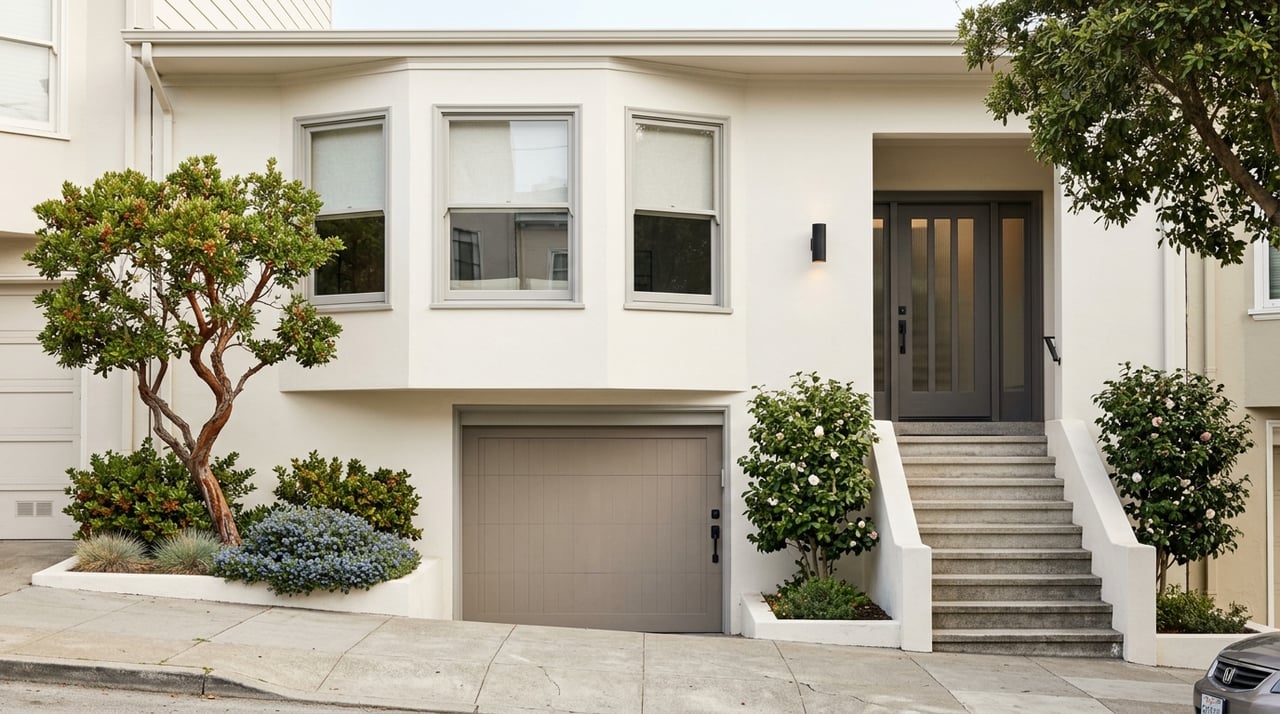
Buying a stock co-op in Lower Pacific Heights can feel like stepping into a different financing world. If you are used to condos or single-family homes, the process can seem more document-heavy, more building-specific, and less predictable at first. The good news is that once you understand how co-op financing works, you can plan for it with much more confidence. Here is what you need to know before you make an offer.
Why stock co-ops work differently
In California, a stock cooperative is not owned the same way as a condo. According to the California Department of Real Estate, the corporation holds title to the property, and you buy shares in that corporation along with exclusive-use rights to occupy a portion of the building.
That ownership structure matters in Lower Pacific Heights, where building-level rules can play a major role in the buying process. San Francisco Planning places this area within District 5, including the Lower Fillmore corridor, which is a useful reminder that you are buying into an urban, building-specific housing format, not a standard fee-simple property.
How co-op financing differs
A stock co-op is typically financed with a co-op share loan, not a standard mortgage. Under Fannie Mae’s co-op share loan rules, the collateral is your ownership interest in the co-op corporation plus your occupancy rights, not a deeded unit.
That also changes the paperwork behind the loan. Freddie Mac’s glossary explains that the lender’s security is usually created through a perfected lien on the co-op shares and an assignment of the proprietary lease, often using a UCC-1 financing statement instead of the standard real-property mortgage instrument used for condos or houses.
What your monthly payment may include
Your housing cost in a co-op is often more layered than it looks at first glance. In addition to your loan payment, you may have monthly maintenance fees, and lenders will also review special assessments, ground rent, and other recurring charges as part of the underwriting and valuation process.
Freddie Mac defines maintenance fees as the monthly charge paid to the cooperative corporation for your pro rata share of maintenance and operating costs, including reserve funding. Fannie Mae also requires those fees and related costs to be analyzed as part of the deal, which means the building’s financial setup can affect both affordability and loan approval.
How lenders size a co-op loan
Lenders do not size a co-op loan exactly like they do a condo loan. Per Fannie Mae guidelines, the loan-to-value ratio is calculated using the lower of the sales price or appraised value of the co-op shares and occupancy rights.
If the buyer is taking on a pro rata share of a blanket mortgage, that can affect the loan calculation too. This is one reason co-op financing is so building-specific. Two seemingly similar Lower Pacific Heights co-ops can have meaningfully different financing outcomes depending on how the project is structured.
Occupancy rules buyers should know
Not every use qualifies for conventional co-op financing. Fannie Mae states that it purchases co-op share loans only when the property will be used as a principal residence or second home, and not as an investment property.
That matters if you are comparing stock co-ops with other San Francisco property types. A co-op may fit your goals well if you plan to live there, but it can be less flexible if you are hoping for a pure investment play.
Debt-to-income and cash reserves
Co-op buyers should expect a careful review of their debt-to-income ratio, reserves, and overall financial profile. For manually underwritten Fannie Mae loans, the general baseline maximum DTI is 36%, with exceptions up to 45% if the borrower meets the required credit score and reserve standards in the eligibility matrix.
There is no single universal minimum down payment published for all co-op share loans. A more accurate way to think about it is this: you should plan for a building-specific cash requirement based on lender underwriting, the loan-to-value calculation, and the financial strength of the co-op itself.
Why the building matters as much as you do
With a stock co-op, you are not just being underwritten as a buyer. The project is being reviewed too. Under Fannie Mae’s co-op project eligibility standards, the lender may look at owner occupancy, delinquency levels, project reserves, budget strength, and whether the building has enough shares sold.
For example, at least 50% of the stock or shares and related occupancy rights generally must have been sold and conveyed, or be under contract for sale in new construction, to principal-residence purchasers. No more than 15% of owners can be more than 60 days delinquent on their obligations to the co-op. The budget and financial statements must also show adequate cash flow and replacement reserves.
Newly converted co-ops may need more review
If a building was recently converted, the financing process can become more complex. Fannie Mae may treat a project as newly converted if it was recently changed from another use, if fewer than 90% of the shares are sold, if the sponsor still controls the co-op, or if the project is incomplete or being phased.
In those cases, the lender may need additional review, including PERS review in some scenarios. For buyers in Lower Pacific Heights, this is especially important in buildings where the ownership structure or conversion history is still relatively fresh.
Board approval is a separate hurdle
One of the biggest surprises for first-time co-op buyers is that lender approval is not the same thing as board approval. According to Fannie Mae’s legal requirements for co-op projects, if occupancy or membership is subject to co-op approval, that approval must be granted before Fannie Mae will purchase or securitize the share loan.
In plain terms, you can qualify with the lender and still not get through the board process. That is why co-op purchases often require more preparation, more documentation, and a more careful contract strategy than a typical condo purchase.
Documents that often matter most
If you are financing a stock co-op, try to review the building package as early as possible. The key items often include:
- Budget
- Audited financial statements or tax returns
- Blanket mortgage details
- Insurance information
- Recognition agreement or equivalent provisions
- Flip-tax language
- Subletting and transfer rules
These are the documents your lender and the board are likely to focus on. Fannie Mae also requires project documents to protect the lender’s rights, including rights tied to defaults, notices, and certain project actions.
What a recognition agreement does
A recognition agreement is one of the more technical co-op documents, but it matters. Freddie Mac’s glossary describes it as the contract that sets responsibilities and remedies between the co-op corporation and the mortgagee.
This document helps protect the lender’s position in the project. If it is missing, incomplete, or inconsistent with agency requirements, financing can become harder or slower.
Are flip taxes allowed?
Yes, sometimes. Fannie Mae allows co-op share loans in projects with a flip tax if the project documents permit it and the tax fits Fannie Mae’s conditions.
In some cases, the flip tax may be as high as 5% of the property value and still remain eligible if it is structured in an approved way. The key is not whether a flip tax exists, but whether it is documented and permitted under the applicable guidelines.
A practical Lower Pacific Heights workflow
If you are planning to buy a stock co-op in Lower Pacific Heights, this is the clearest way to think about the process:
- Get prequalified with a lender that actually makes co-op share loans. A generic condo preapproval is not enough.
- Request the building package early. You want the financials and legal documents before you get too far down the road.
- Model the full monthly cost. Include maintenance fees, assessments, and any blanket-mortgage share that could affect your DTI.
- Prepare for reserve scrutiny. The lender and the board may both care about liquidity.
- Plan for borrower approval, project approval, and board approval. All three matter.
That sequence is often the difference between a smooth closing and a frustrating surprise.
When extra guidance can help
If you want an independent second opinion on your loan structure or cash-to-close plan, a HUD-approved housing counselor can be a helpful resource. Counseling is often available at little or no cost.
For many buyers, the smartest move is to build your team early. In a neighborhood like Lower Pacific Heights, where stock co-ops can come with nuanced building rules and financing requirements, strong guidance upfront can save both time and money.
If you are exploring a stock co-op purchase in San Francisco and want a clear, practical strategy, Shane Nugent can help you evaluate the property, the building, and the financing path before you commit.
FAQs
What is a stock co-op in Lower Pacific Heights?
- A stock co-op is a form of ownership where a corporation holds title to the building, and you buy shares in that corporation along with the right to occupy a specific portion of the property.
How is financing a Lower Pacific Heights co-op different from financing a condo?
- A co-op is usually financed with a co-op share loan secured by shares and occupancy rights, rather than a standard mortgage secured by a deeded unit.
Can you use a co-op in Lower Pacific Heights as an investment property?
- Under Fannie Mae guidelines referenced here, co-op share loans are generally limited to principal residences and second homes, not investment properties.
What financial documents matter when buying a stock co-op in San Francisco?
- Buyers should try to review the budget, financial statements or tax returns, blanket mortgage details, insurance, recognition agreement, flip-tax terms, and subletting or transfer rules.
Does a Lower Pacific Heights co-op board have to approve your purchase?
- Yes, if the co-op requires board approval for membership or occupancy, that approval is separate from lender approval and can affect whether the purchase can close.
Is there a fixed down payment minimum for stock co-op financing?
- No single universal minimum applies to every deal in the guidelines referenced here, so buyers should plan for a building-specific cash requirement based on lender and project review.