If you are looking at a small multifamily deal in NoPa, it is easy to get excited by the neighborhood’s charm and strong demand. It is also easy to overpay if you underwrite the wrong upside. In North Panhandle, the best deals are usually not about scale. They are about legal unit count, tenant status, renovation potential, and whether your exit strategy still works under San Francisco rules. Let’s dive in.
What Small Multifamily Usually Means in NoPa
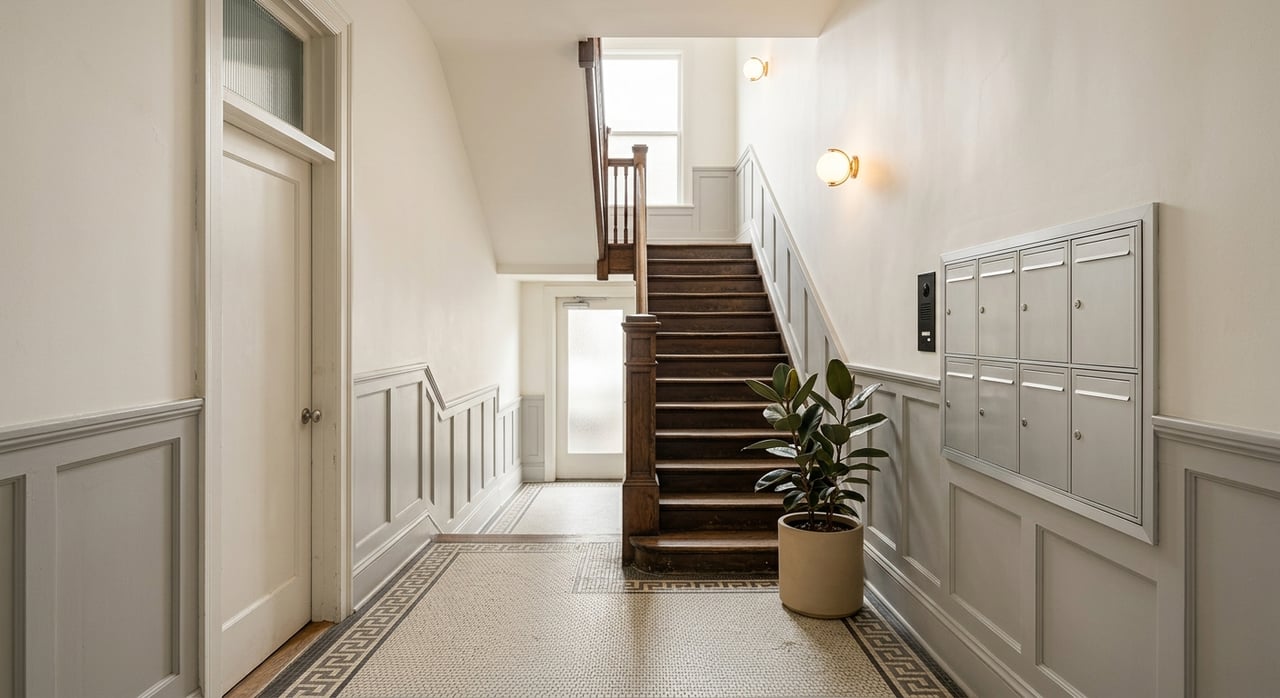
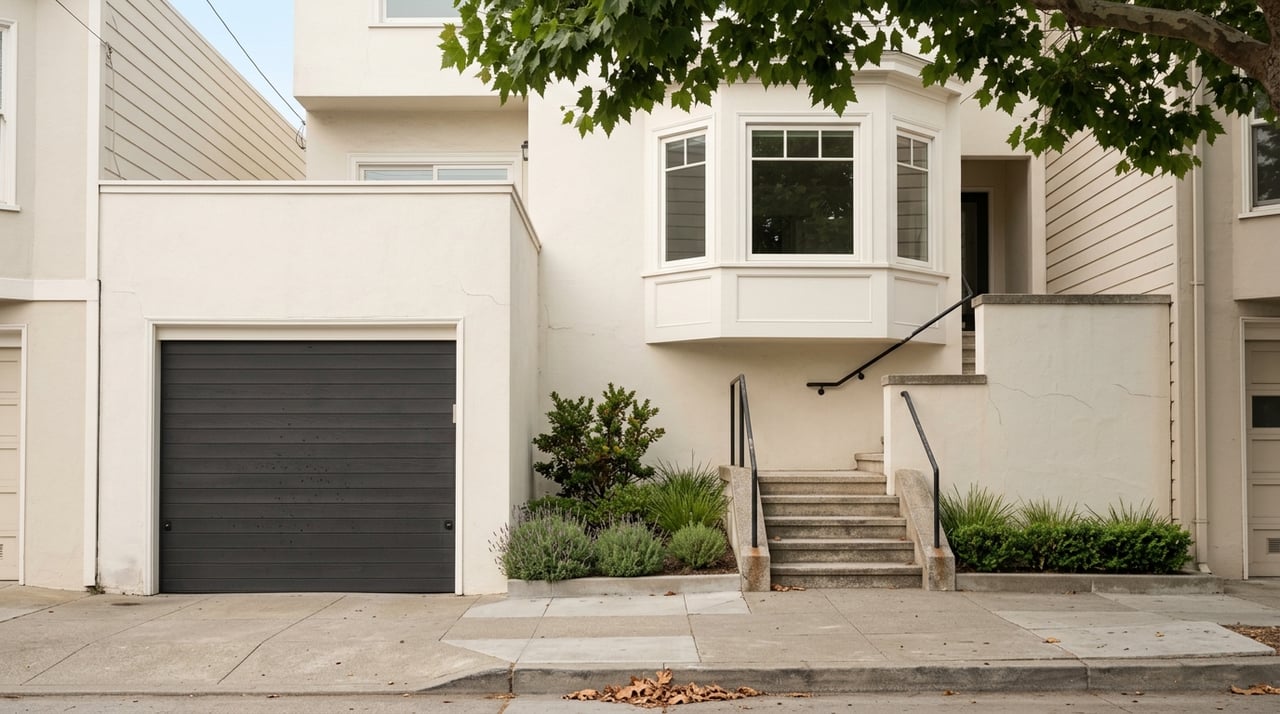
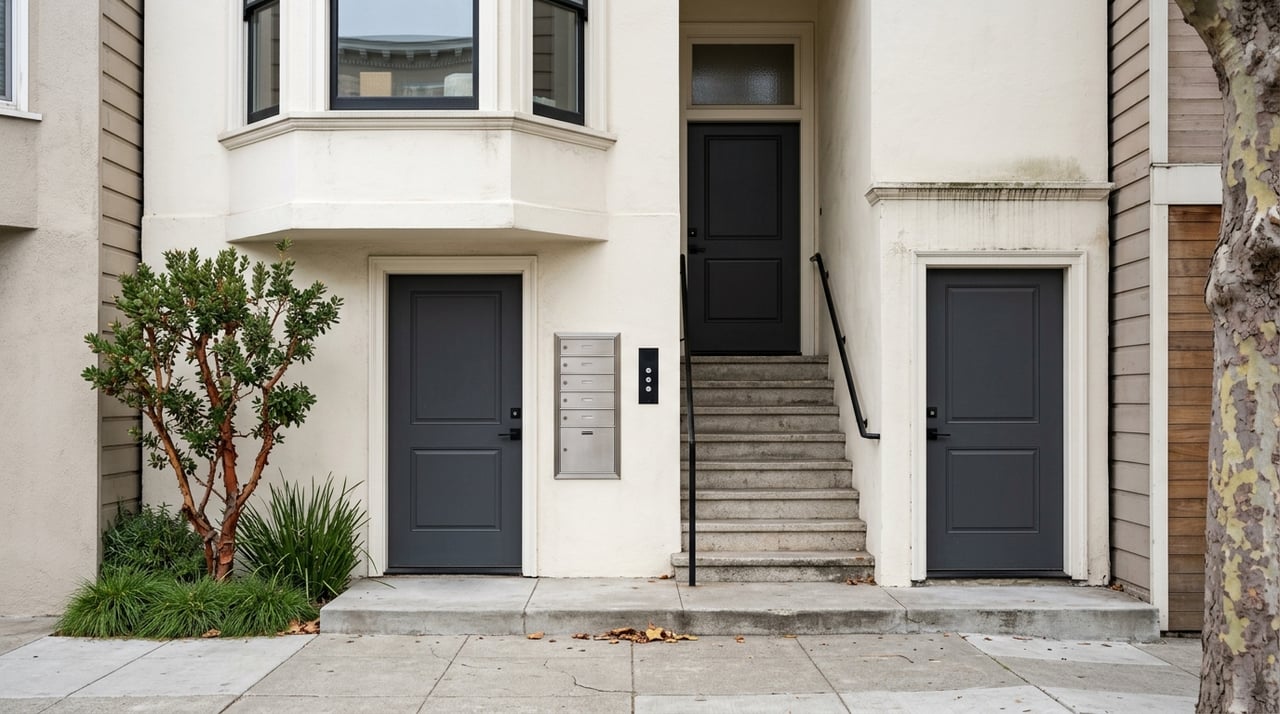
In NoPa, most small multifamily opportunities start with the neighborhood’s historic housing stock. San Francisco Planning describes the area as mostly two- and three-story residential buildings, including single-family homes and multiple-family flats, on narrow lots that are typically about 25 feet wide.
Much of the neighborhood was built from the 1870s through the 1910s, so Victorian and Edwardian buildings are common. That matters because your typical deal is not a large apartment building with institutional scale. More often, you are evaluating a legacy flat building where value comes from condition, layout, legal status, and finish level.
That older housing form shapes your underwriting from day one. You are often dealing with dated systems, compact floor plans, and buildings where thoughtful renovation can matter more than adding square footage.
Why NoPa Demand Gets Investors Interested
NoPa remains a high-rent neighborhood, which supports long-term interest from buyers and investors. Zumper reports average asking rent in the neighborhood at $5,225 per month as of May 2026, with studios around $2,995, one-bedrooms around $3,995, two-bedrooms around $5,100, and three-bedrooms around $8,450.
That rent profile helps explain why renovated units can perform well. Zumper also shows condos renting above apartments in the neighborhood, which suggests that ownership-style finishes and a cleaner presentation may command a premium.
On the resale side, the broader San Francisco market has also stayed firm. Redfin reported a $1.7 million median sale price in the San Francisco metro in March 2026, up 14.4% year over year, with condo prices up 24.4% year over year.
Nearby Panhandle data points to strong buyer competition as well. Redfin shows a median sale price of $1.75 million, a competitiveness score of 93 out of 100, about 18 days on market, and a 113.2% sale-to-list ratio. For a NoPa investor, that is a useful signal that well-finished product can attract serious demand.
Start With the Legal Unit Count
Before you model rent growth or renovation returns, confirm what you are actually buying. In NoPa, one of the most important diligence questions is whether every unit is legal, correctly counted, and properly documented.
That is especially important in older buildings where garden units, lower-level spaces, or past conversions may not be fully formalized. A building may look like it has more rentable space than the records support, and that difference can change value quickly.
San Francisco’s Unit Legalization Program may help owners formalize an unauthorized unit built before 2013. But the choice is not purely upside. SF.gov states that once a unit is legalized, it cannot later be subdivided or condo-converted.
That means a legalization strategy can improve rentability and code clarity while also limiting a future condo exit. If condo optionality is part of your business plan, this issue deserves close review early.
Rent Control Can Change the Whole Deal
In San Francisco, rent control is often the biggest underwriting constraint on small multifamily. According to SF.gov, many residential units built on or before June 13, 1979 have both rent control and eviction protection.
Units built after that date may still have eviction protection, but they generally do not have the same rent increase cap. For covered units, SF.gov lists the current allowed annual rent increase at 1.6%, effective from March 1, 2026 through February 28, 2027.
That is why in-place income needs careful scrutiny. If your projected returns depend on quickly raising rents across occupied units, the numbers may not hold. SF.gov also states there is no limit on the first rent charged when a covered unit becomes vacant, so vacancy reset assumptions can matter, but they should be modeled conservatively.
Compliance Costs Are Small, But Real
Even when the headline economics look strong, San Francisco compliance costs should be part of your operating model. The Rent Board requires owners of residential property to report annually into the Housing Inventory.
The city also requires a rent increase license before rent increases can be imposed. For 2025-2026, the Rent Board fee is $59 per dwelling unit and $29.50 per guest unit, due March 1, and owners may recover 50% of the dwelling-unit fee from tenants.
These are not large numbers compared with NoPa property values. Still, strong underwriting includes them rather than treating them as minor cleanup items after closing.
Property Taxes and Transfer Tax Matter Up Front
Acquisition and exit costs can materially affect your returns in San Francisco. The Assessor-Recorder states that real property is reassessed to current fair market value when there is a change in ownership or new construction under Proposition 13.
The base property tax rate is 1% plus voter-approved bonded indebtedness. On a small multifamily acquisition, that reassessment can meaningfully change your annual carrying costs.
Transfer tax also deserves attention on the exit side. San Francisco’s current schedule is $3.75 per $500 for consideration from $1 million to $5 million, with higher tiers above that. In a market where prices can move quickly, these line items should be built into your deal from the beginning.
Be Careful With Owner-Move-In Assumptions
Some buyers look at NoPa duplexes, triplexes, or four-unit buildings with the idea of moving into one unit after closing. That can work in some cases, but it should never be treated as automatic.
SF.gov states that in buildings with two or more units, certain protected tenants generally cannot be evicted for owner or relative move-in. This can include tenants age 60 or older, disabled tenants who meet the qualifying standard, and catastrophically ill tenants with the required occupancy history.
If your plan depends on quickly taking back a unit for personal use, tenant review is essential. A protected tenancy can change your timeline or remove that path entirely.
ADU and Reconfiguration Potential
In NoPa, upside often comes from making better use of existing space instead of pursuing major expansion. Given the neighborhood’s narrow lots and older building layouts, lower levels, garages, storage areas, and underused interior space may offer more practical opportunities.
SF.gov states that some properties can add new ADUs or convert existing space into ADUs, subject to city review and code compliance. That means the opportunity may exist, but it is not something to assume without property-specific diligence.
For many small multifamily buyers, this is where local building knowledge matters most. The goal is to identify whether the structure supports a legal, financeable, and marketable improvement path.
Condo Conversion Is Powerful, But Scarce
For many NoPa investors, condo conversion is the most attractive exit strategy. It can create a very different value profile than a straight hold or resale as a rental building.
But in San Francisco, condo conversion is tightly limited. SF Planning states that buildings must have six or fewer units, owners must occupy 50% or more of the units for three continuous years, and the annual cap is 200 units.
There is also an important carveout for some smaller properties. The 2025 Housing Inventory notes that the cap can be bypassed for two-unit buildings with owners occupying both units.
The same report shows that only 50 units were converted in 2025, and 40 of those were in two-unit buildings. That tells you the path exists, but it is narrow and concentrated in the smallest properties.
Tenant History Can Make or Break the Exit
A building can look like a condo-conversion candidate on paper and still fail in practice. SF Planning notes that past tenant evictions and buyouts can disqualify buildings from condo conversion.
Protected tenants may also receive purchase rights or lifetime leases during the process. That means tenant history is not just a leasing issue. It is a strategic diligence item that can determine whether your exit plan is available at all.
If you are evaluating a NoPa building partly on conversion potential, this should be one of the first files you review, not one of the last.
A Simple NoPa Deal Stress Test
Before you get attached to projected upside, pressure-test the deal using a few direct questions:
- Is each unit legal, correctly counted, and documented?
- Was the building built on or before June 13, 1979, making rent control likely to apply?
- Does the business plan still work if rent growth is limited to the annual cap?
- Are there protected tenants or tenant-history issues that could block owner-move-in or condo conversion?
- Have you included reassessment, transfer tax, and Rent Board costs in your model?
- If condo conversion never happens, does the property still make sense?
In NoPa, that last question is often the most important one. The strongest deals are usually the ones that work as-is or with conservative improvements, then get better if a more favorable exit becomes possible later.
What a Strong NoPa Deal Often Looks Like
The most attractive small multifamily opportunities in NoPa usually combine three things. First, they match the neighborhood’s housing form, meaning a building type the market already understands and values.
Second, they offer realistic upside through renovation, reconfiguration, or improved management without depending on aggressive assumptions. Third, they preserve optionality, whether that means stronger rental income, owner-user resale appeal, or a viable future conversion path.
That is where disciplined underwriting can create an edge. In a neighborhood full of charming older buildings, the difference between a smart buy and an expensive lesson often comes down to details that are easy to miss.
If you are weighing a duplex, triplex, TIC-style setup, or another small multifamily opportunity in NoPa, working with a broker who understands renovation potential, market positioning, and San Francisco small-building dynamics can help you see the deal more clearly. If you want a practical second opinion on a property or your exit strategy, connect with Shane Nugent.
FAQs
What should you review first when evaluating a small multifamily deal in NoPa?
- Start with legal unit count, tenant status, building age, and whether the projected returns depend on rent increases that San Francisco rules may limit.
How does rent control affect NoPa multifamily underwriting?
- Many units built on or before June 13, 1979 may be subject to rent control and eviction protections, and the allowed annual rent increase is 1.6% from March 1, 2026 through February 28, 2027.
Can you assume a NoPa tenant unit can be delivered vacant for owner occupancy?
- No. In buildings with two or more units, certain protected tenants generally cannot be evicted for owner or relative move-in, so tenant review is essential.
Is condo conversion a common exit for small multifamily properties in NoPa?
- It is possible, but tightly constrained. Buildings must meet specific occupancy and unit-count rules, and tenant history can affect eligibility.
Can adding or legalizing a unit increase value in a NoPa building?
- It can, but the path depends on city review, code compliance, and the building’s existing legal status. Legalizing a unit may also eliminate future condo-conversion potential.
Why do taxes and city fees matter when buying a NoPa multifamily property?
- Because reassessment, transfer tax, and Rent Board compliance costs can materially change returns, especially in a high-value San Francisco submarket.