Buying in Lower Pacific Heights can feel straightforward until one listing says condo and another says co-op. On the surface, the homes may look similar, especially in a neighborhood with classic San Francisco buildings, smaller multifamily properties, and newer infill mixed-use projects. But the difference matters because it affects how you own the home, how you finance it, what you pay each month, and how easy it may be to resell later. Let’s dive in.
Condo vs. co-op starts with ownership
In California, a condo and a co-op are different legal ownership structures, not different architectural styles. A condominium means you own your individual unit and also hold an undivided interest in the common areas. A stock cooperative means a corporation owns the real estate, and you buy shares that give you the right to occupy a specific unit.
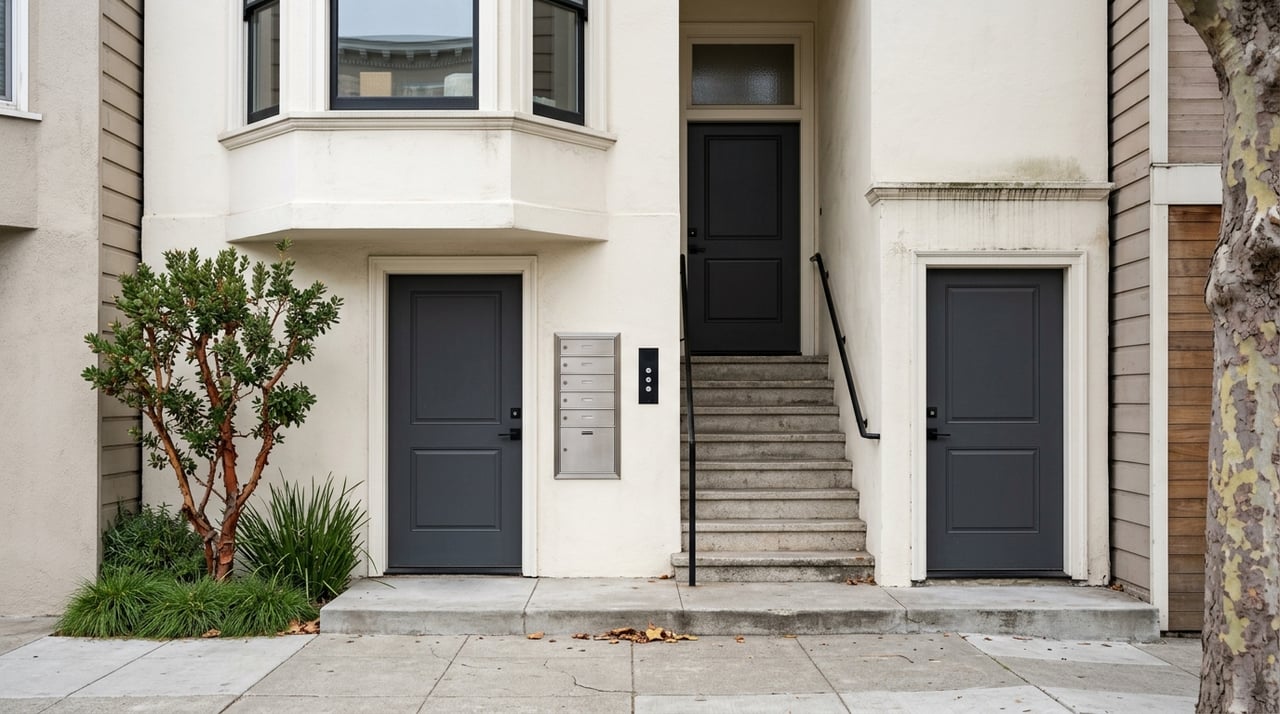
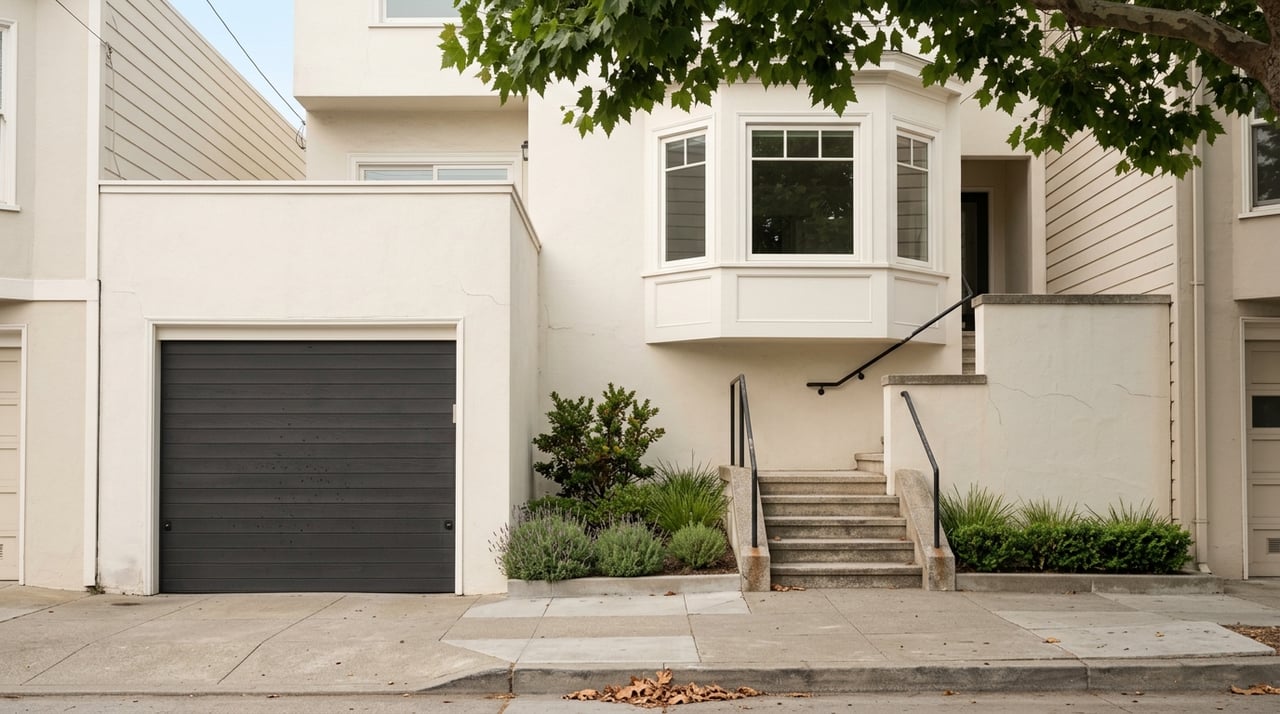
That distinction is important in Lower Pacific Heights because the exterior of a building does not reliably tell you what you are buying. A building that looks like a traditional apartment house may legally be a condo or a co-op. If you want certainty, you need to review the title documents and governing documents rather than rely on appearance alone.
Why this matters in Lower Pacific Heights
Lower Pacific Heights has a varied housing mix shaped by older residential stock and newer development. Planning records describe the broader area as a place where you can find everything from houses to low-rise apartment buildings, with many structures dating to the late 19th or early 20th century. Nearby planning activity also shows how newer mixed-use projects fit into the neighborhood fabric.
For you as a buyer, that means you may see several ownership formats in buildings that feel similar from the street. Condos are often easier to picture in converted flats, smaller infill properties, and newer mixed-use developments. Co-ops are much less common statewide and tend to come with more building-level control and more financing sensitivity.
Condos usually offer more financing flexibility
For most buyers, financing is the biggest practical difference between a condo and a co-op. Condo financing is generally more flexible, with a broader range of eligible buyers and loan scenarios. Under current Fannie Mae guidance, attached condo units in established projects may qualify for up to 90% loan-to-value for a principal residence and up to 75% for a second home or investment property outside Florida.
That flexibility matters if you want options later. A condo may be a better fit if you think you could eventually keep the property as a second home, rent it out, or appeal to a broader resale market down the road. In simple terms, condos usually attract a wider buyer pool because more lenders and more loan types tend to work with them.
Co-ops can be more lender-sensitive
Co-op financing is usually narrower and more document-heavy. Fannie Mae allows co-op share loans only when the borrower will occupy the home as a principal residence or second home, and investment properties are not allowed under that guidance. Co-op eligibility also depends on project acceptance, documentation quality, and lender comfort with the building.
That can make the process feel more selective from the start. Instead of a standard deed-based purchase, your loan is tied to shares, occupancy rights, and project-level review. As a practical takeaway, co-ops can work well for the right buyer, but they often require more upfront diligence and a lender that is comfortable with the structure.
Monthly costs do not work the same way
A list price never tells the full monthly story. Condo, co-op, and HOA fees are usually separate from your mortgage payment, and they can range from a few hundred dollars a month to more than $1,000. That is why it is smart to evaluate the full monthly housing cost, not just principal and interest.
In a condo, monthly dues typically support common-area maintenance, building insurance, management, and reserves. In California, reserve accounts are funds set aside for future repair, replacement, or additions to major components the association must maintain. When you review a condo, you are often looking at how well the homeowners association is budgeting for current operations and future repairs.
In a co-op, monthly charges often function more like carrying costs tied to the corporation’s overall operating budget. Those charges may include items tied to the building’s financial health, and California tax guidance notes that a cooperative housing corporation’s carrying charge can include a portion of the corporation’s real property tax. That does not automatically make co-ops more expensive, but it does mean the fee structure can feel less simple than a standard HOA dues line item.
Rules and approvals are often tighter in co-ops
Another major difference is control over transfers and occupancy. In a condo, ownership is more direct because you hold title to the unit and association membership follows the property. In a co-op, transfer rights can be more restricted, and some buildings require corporate approval for the person who will occupy the unit.
That matters if you want maximum flexibility. If you expect an easier path to future leasing, resale, or ownership transfer, a condo may feel more straightforward. If you are comfortable with a more governed ownership model and stricter approval processes, a co-op may still be a fit.
Renovation plans need a close look
In Lower Pacific Heights, many buyers are drawn to properties with classic San Francisco character and the potential for smart interior improvements. Whether you buy a condo or co-op, renovation rules matter. Fannie Mae notes that proposed work in a condo or co-op must be allowed under the governing documents or approved in writing, and renovation work must be limited to the interior of the unit.
That is especially relevant in older buildings where layout updates, kitchen remodels, or finish upgrades may be part of your plan. Before you assume a project is possible, review the bylaws or house rules carefully. A great-looking opportunity can lose its appeal if the building has strict limits on the work you want to do.
Resale can look different later
If you are thinking beyond the purchase, resale deserves attention. Because condos usually have broader lender acceptance and more financing options, they often appeal to a larger future buyer pool. That can support smoother resale mechanics, especially in an established project.
Co-ops can be more involved to resell because transfer approval, occupancy approval, and lender review may all come into play. Some buildings may also impose a transfer fee or flip tax, depending on the governing documents and project standards. None of that means a co-op is a poor choice, but it does mean you should weigh today’s fit against tomorrow’s exit strategy.
What to review before you write an offer
Whether you are considering a condo or co-op in Lower Pacific Heights, due diligence matters. The right document review can tell you as much as the floor plan.
Ask for:
- The current budget
- Reserve study or reserve disclosures
- Delinquency information
- Governing documents
- House rules
- Rental restrictions
- Renovation rules
- Any transfer fee or flip-tax language
These items help you understand not only the property, but also the building’s financial health, operational style, and future flexibility.
Which is better for you?
If you want simpler ownership, broader financing options, and more flexibility for future renting or resale, a condo will usually be the easier fit. That is often the more practical choice for buyers who want optionality in a neighborhood where plans can change over time.
If you are comfortable with a more structured ownership model, stricter approvals, and a narrower financing path, a co-op may still make sense. In some cases, buyers appreciate the added oversight and the distinct way some co-op buildings are managed. The key is not deciding which structure is universally better, but which one best matches your goals, timeline, and risk tolerance.
In Lower Pacific Heights, that decision is especially important because the neighborhood’s housing stock is varied, the buildings can look similar from the outside, and the details behind the listing can shape your day-to-day ownership experience. If you want a clear read on a specific building, the smartest move is to evaluate the documents, monthly costs, financing options, and resale implications before you commit.
If you are weighing a condo against a co-op in Lower Pacific Heights, Shane Nugent can help you compare the real tradeoffs, review building documents, and make a confident decision based on your goals.
FAQs
What is the difference between a condo and a co-op in Lower Pacific Heights?
- A condo gives you deeded ownership of the unit plus an interest in common areas, while a co-op means a corporation owns the building and you buy shares tied to occupancy rights for a specific unit.
How can I tell if a Lower Pacific Heights building is a condo or a co-op?
- You should confirm through title documents, recorded condo or co-op documents, and the building’s governing documents because the exterior appearance alone is not reliable.
Can I rent out a co-op in Lower Pacific Heights later?
- It depends on the building rules and financing, but under current Fannie Mae guidance, co-op share loans are not eligible for investment properties, so condos are generally more flexible for future rental plans.
Are condo or co-op fees included in the monthly mortgage payment?
- Usually no, because HOA dues or co-op fees are generally paid separately from principal and interest, so you should evaluate the full monthly cost before buying.
What documents should I review before buying a condo or co-op in Lower Pacific Heights?
- You should ask for the budget, reserve disclosures or reserve study, delinquency information, governing documents, house rules, rental restrictions, renovation rules, and any transfer fee or flip-tax language.